




Meetings are as inevitable as email.
They are how direction is set. How decisions are made. How work actually moves forward.
The problem isn’t that meetings exist. The problem is that too many meetings are held simply to have a meeting.
We’ve all said it—or at least thought it–and only wish we were kidding: “That meeting could have been an email.”
That sentence isn’t really a complaint about time, or attendees, or even the venue. It’s a complaint about leadership. Because when a meeting is done well, no one regrets attending.
Meetings Are a Leadership Tool, Not a Calendar Habit
Meetings aren’t placeholders on a calendar. They aren’t performative. And they aren’t neutral.
Every time you call a meeting, you are asking people to give you something valuable:
- Their time
- Their attention
- Their energy
- Their thinking
That is a meaningful exchange.
Your job, as a leader, is to honor it—and be profitable with it.
When meetings are vague, bloated, or directionless, trust erodes. When meetings are clear, purposeful, and decisive, momentum builds. This is not a productivity issue. It’s a leadership one.
The Approach:
Start With the Destination
You wouldn’t board a plane without knowing which city—and which airport—you’re landing in. So why would anyone walk into a meeting without a clear objective? A meeting without a destination creates confusion before anyone even speaks.
Good meetings start with clarity:
- What problem are we here to solve?
- What decision needs to be made?
- What is unclear or broken?
- What feedback requires action?
If there is no problem, there is no meeting. Updates can be written Alignment requires intention.
Rules, Not Practices
Many teams talk about “best practices” for meetings. Practices are optional. Rules are operational. Rules turn intention into execution.
Most people resist rules because they feel rigid or constraining. But within constraint is where planning turns into production—and production turns into progress.
If you want better meetings, you don’t need more discussion about meetings.
You need rules. (See new rules for better meetings below)
Finally, Your Meetings Reveal Your Values
Every meeting you host teaches people something about you.
It teaches them:
- What you value
- How you listen
- What matters
- What doesn’t
If you want to be seen as:
- Empathetic
- Empowering
- Visionary
Your meetings must feel that way. Leadership isn’t just what you say. It’s what people experience in the room.
New Rules for Better Meetings in 2026
If you want meetings people don’t dread—or regret—start here.

1. Start With a Problem
Businesses don’t lack problems.
They lack focus.
Do not start with updates. No round robin. No “let’s go around the room.”
Good meetings begin with a clearly framed problem:
- What is broken?
- What feedback needs to be addressed?
- What decision must be made?
Solve one thing well. Momentum follows clarity.

2. No Agenda, No Meeting
An agenda is not bureaucracy. It is respect.
A clear agenda says:
- This is what matters
- This is how we’ll spend our time
- This is where we’re going
No agenda means no preparation. No preparation means no meeting.

3. Small Enough to Feed Two Pizzas
This one came from Jeff Bezos.
If two pizzas can’t feed the room, there are too many people.
Smaller meetings create:
- Accountability
- Candor
- Faster decisions
Invite fewer people. Trust them more.
4. Honor the Start and End Time
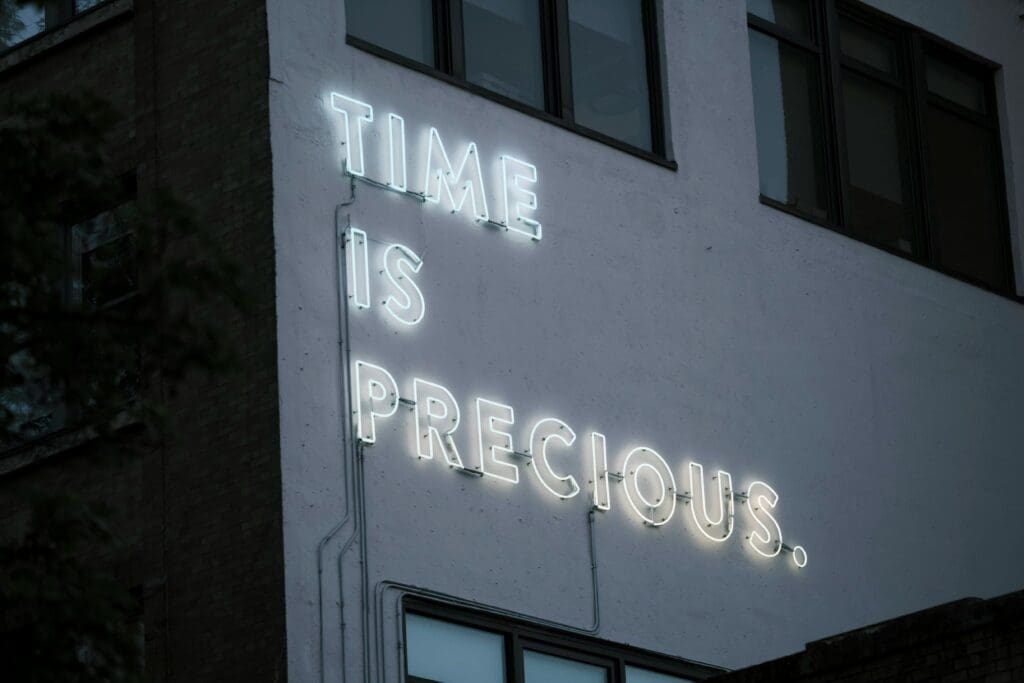
Starting late tells people their time doesn’t matter. Running long tells them you didn’t prepare.
Time constraints aren’t rigid. They’re generous. They force clarity. And clarity accelerates decisions.

5. Use Verbs
“Discuss” is not a goal.
Good meetings:
- Decide
- Design
- Resolve
- Commit
If you can’t name the verb, you can’t measure success.

6. Phones in the Middle of the Table
Face down. All of them. No email. No notifications.
Attention is the currency of leadership. Presence signals respect.
7. End With Commitments
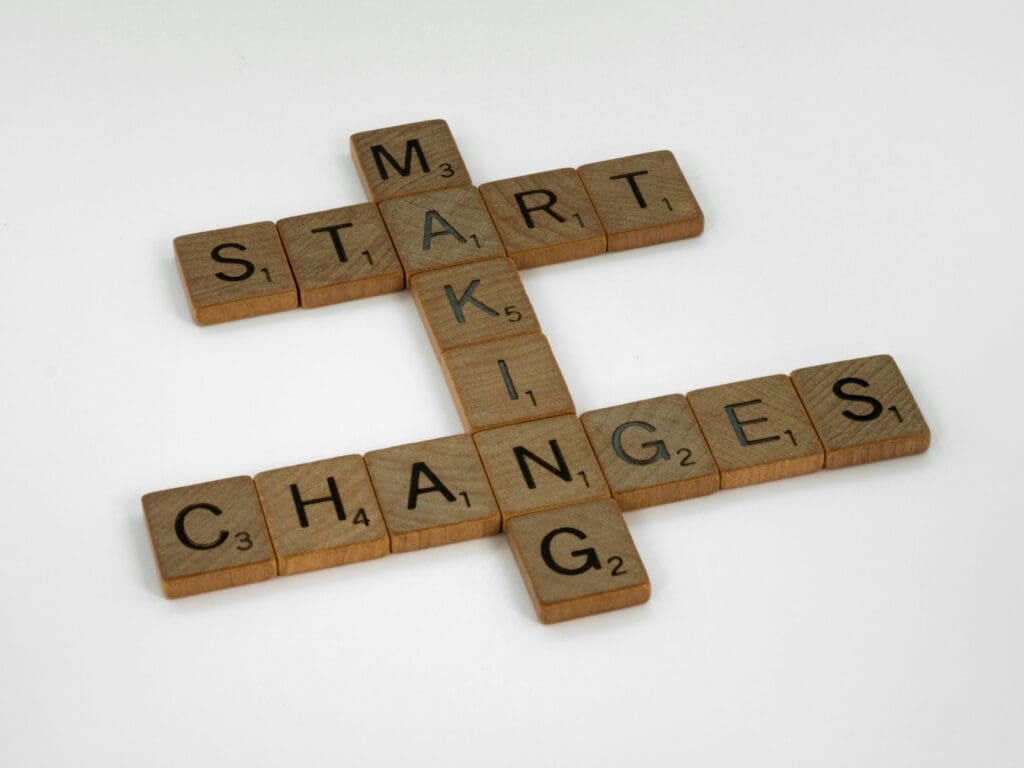
Every meeting should end with:
- Who is doing what
- By when
Action is how trust compounds. That momentum is a form of care.
A Question Every Leader Should Ask:
Before your next meeting, ask yourself:
Will the people in this room leave better than they arrived?
If the answer is no—change the meeting.
+ view the comments

